Selling an Older Home: Challenges and Smart Strategies
Older homes often come with charm, character, and craftsmanship not commonly found in newer builds—but when it comes time to sell, homeowners frequently ask the question: Are older homes harder to sell? The short answer is yes, they can be—but they don’t have to be. With the right strategies, even homes with decades of history can attract motivated buyers and competitive offers.
As a local realtor with experience helping both buyers and sellers navigate unique property types, I’ll guide you through the common challenges and smart strategies for successfully selling an older home.
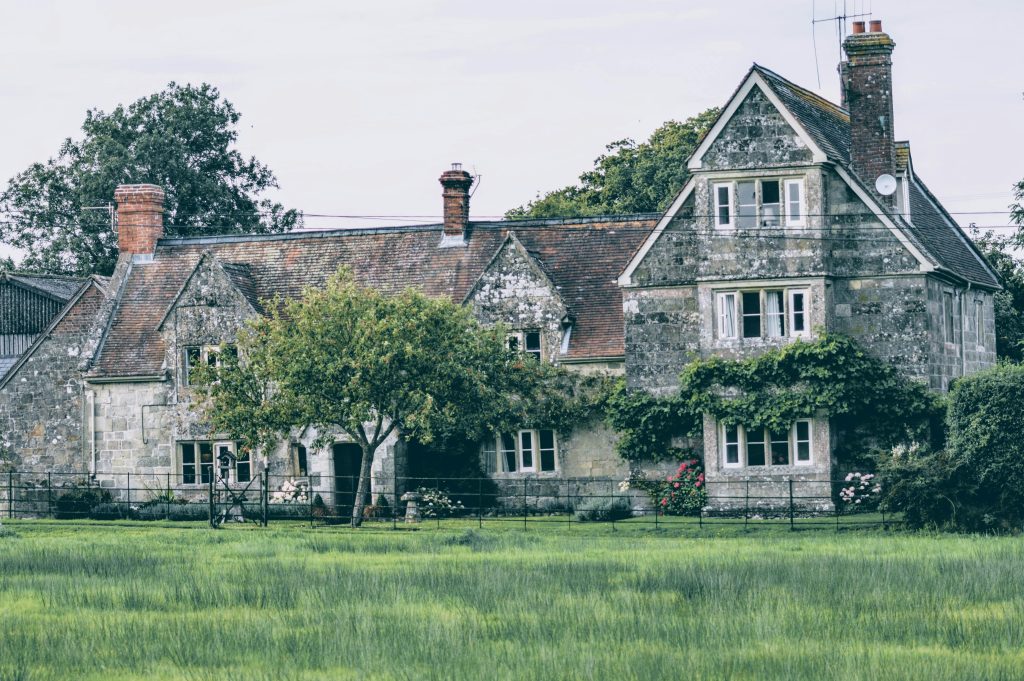
Are Older Homes Harder to Sell?
Older homes face more scrutiny from buyers and home inspectors. Deferred maintenance, outdated systems, and concerns about energy efficiency can all impact buyer interest. However, these homes also appeal to a niche market looking for architectural detail, solid construction, and historic charm.
While selling an older home might require more preparation and strategic marketing, it’s entirely possible to achieve a smooth transaction—often at top dollar—if you know how to position your home in the best light.
Common Challenges When Selling an Older Home
1. Outdated Systems and Infrastructure
Buyers today are often wary of homes with older electrical wiring, plumbing, roofing, or HVAC systems. These updates can be costly, and buyers may either walk away or reduce their offer accordingly.
Solution: Consider pre-inspections to identify potential issues early. Updating major systems or offering a home warranty can alleviate buyer concerns.
2. Cosmetic Datedness
Even if the home is structurally sound, dated wallpaper, old carpeting, and wood paneling can make a negative first impression. Buyers may struggle to see past cosmetic flaws.
Solution: Small upgrades can go a long way. A fresh coat of neutral paint, modern light fixtures, and professional staging can dramatically enhance the look and feel without major expense.
3. Energy Efficiency Concerns
Older homes often lack the insulation and energy-efficient windows common in modern builds. That can turn off eco-conscious buyers or those looking to keep utility bills low.
Solution: Improve insulation where feasible, or offer energy audit results. Highlight any improvements like updated windows, energy-efficient appliances, or programmable thermostats.
4. Appraisal and Financing Issues
If your home has outdated features or is in need of repairs, it could appraise for less than the listing price, affecting a buyer’s ability to secure financing.
Solution: Be realistic with pricing. A knowledgeable agent will prepare a comparative market analysis and guide you through pricing strategies that reflect your home’s true value while accounting for its condition.
5. Limited Buyer Pool
Not every buyer is looking for a home with “personality.” Some want turnkey properties with no renovation needs.
Solution: Market to the right audience. Vintage lovers, investors, and buyers seeking a unique space with potential are often eager to purchase older homes. It’s about connecting with the right niche.
Smart Strategies to Successfully Sell an Older Home
Highlight Character and Quality
Many older homes were built with materials and craftsmanship that are difficult to replicate today—think solid wood floors, ornate moldings, or stone fireplaces. In your listing and marketing, emphasize these timeless features.
Invest in High-ROI Updates
Focus on cost-effective improvements that boost appeal:
- Refinish hardwood floors
- Upgrade bathroom/kitchen hardware
- Replace outdated lighting
- Improve curb appeal with landscaping or a new front door
These simple enhancements can help your home show better without a full-scale remodel.
Consider a Pre-Listing Inspection
A pre-listing inspection helps identify issues upfront, giving you time to address them or price accordingly. This transparency also builds trust with buyers and can reduce surprises during escrow.
Offer a Home Warranty
A home warranty can ease buyer worries about older systems or appliances. This added assurance can make your listing stand out, especially if the HVAC or water heater is nearing the end of its life span.
Work with a Local Agent Experienced in Older Homes
A seasoned local realtor understands your neighborhood’s market dynamics, historic appeal, and buyer expectations. They’ll know how to price, market, and negotiate your sale effectively.
Tell the Home’s Story
Storytelling is a powerful marketing tool. Was your home built during a notable era? Has it been in the same family for generations? Buyers connect with narratives—so use the property description and open houses to bring your home’s history to life.
Use Professional Photography and Virtual Tours
Older homes often have unique layouts and details that don’t translate well in casual photos. Professional images and 3D virtual tours help highlight the home’s best features and give buyers a sense of its flow and character.
Should You Renovate Before Selling?
This depends on your budget and goals. In many cases, full renovations aren’t necessary. Instead, focus on repairs, paint, and decluttering. Your realtor can help you decide which projects are worth completing based on local buyer preferences and return on investment.
Final Thoughts: Are Older Homes Harder to Sell?
They can be—but with preparation, smart marketing, and the right pricing strategy, older homes can compete effectively in any market. Buyers are still looking for character, charm, and well-built homes—and your property might be exactly what they want.Selling an older home doesn’t have to be a stressful experience. With the help of a knowledgeable local realtor, you can turn potential challenges into selling points and secure a successful sale.