What Caused Basquiat’s Death?
Jean-Michel Basquiat’s life and legacy continue to captivate collectors, artists, and investors. For those who frequent the Hamilton Selway Gallery in West Hollywood, CA, his work often represents both the pinnacle of contemporary art and a sobering reminder of talent lost too soon. To understand the value of his art in today’s market, it’s important to ask: what caused Basquiat’s death?
Basquiat’s Rise to Prominence
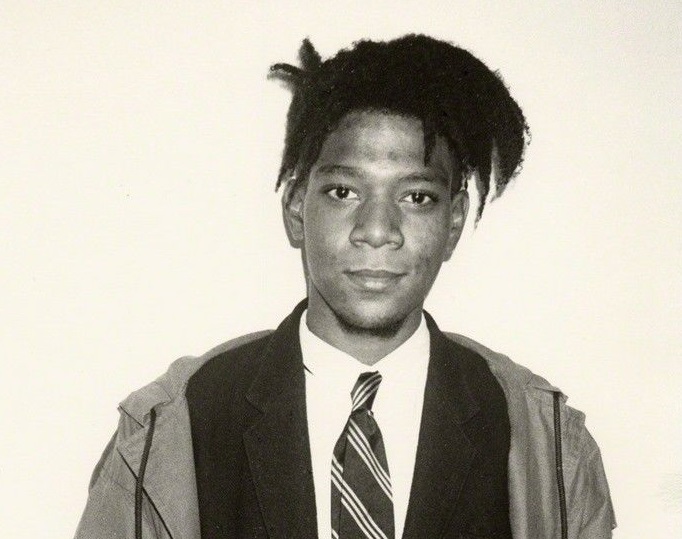
Born in Brooklyn in 1960, Basquiat’s early graffiti under the name SAMO laid the foundation for his explosive career in New York’s downtown art scene. By the early 1980s, he transitioned from street art to gallery exhibitions, earning recognition from collectors and critics alike. His collaborations with Andy Warhol and his unique Neo-Expressionist style positioned him as one of the most influential artists of his generation.
The Pressures of Fame
Basquiat’s career trajectory was meteoric. By his early 20s, his paintings were selling for tens of thousands of dollars, and his social circle included celebrities, musicians, and art icons. However, the rapid ascent came with challenges. The demands of collectors, the pressures of fame, and the racial barriers he faced in a predominantly white art world weighed heavily on him.
Substance Abuse and Personal Struggles
The pressures of fame and isolation contributed to Basquiat’s increasing reliance on drugs, particularly heroin. Like many artists of his time, substance use became a coping mechanism, but it also exacerbated feelings of alienation and despair. Despite commercial success, Basquiat struggled with personal demons, leaving friends and collaborators deeply concerned.
The Circumstances of His Death
On August 12, 1988, Jean-Michel Basquiat died at the age of 27 in his New York City studio. The official cause of death was a heroin overdose, marking the tragic end of a life brimming with creative brilliance. His passing placed him among the infamous “27 Club,” a group of iconic figures who died at that age, including Jimi Hendrix, Janis Joplin, and Kurt Cobain.
The Impact on the Art Market
Basquiat’s untimely death sent ripples through the art community. At the time, his career had already cemented him as a defining artist of the 20th century. Following his passing, the scarcity of new works coupled with the cultural significance of his story caused the value of his art to climb steadily. Today, Basquiat’s paintings frequently command tens of millions at auction, making them some of the most coveted pieces in the world.
West Hollywood and the Basquiat Legacy
In West Hollywood, Hamilton Selway stands as one of the key galleries where collectors, sellers, and enthusiasts engage with Basquiat’s work. For homeowners and investors in the area, the presence of such high-profile art adds to the cultural richness and market appeal of local real estate. Proximity to influential art spaces can elevate property desirability, offering buyers more than just a home—it’s a lifestyle woven into creativity and history.
Lessons for Buyers and Sellers
The story of Basquiat is more than just a tragic biography. It highlights how legacy and scarcity shape value in both art and real estate. Just as Basquiat’s limited body of work became more prized after his death, unique homes in West Hollywood gain significant value through rarity and cultural connection. Buyers seeking properties near renowned galleries often see stronger appreciation over time, while sellers benefit from marketing homes with ties to such creative environments.
The Human Side of the Story
Behind the market figures and cultural impact lies the reality of a young man whose creativity was cut short by addiction and societal pressure. His death remains a reminder of the challenges faced by artists who achieve fame early and the personal cost that often accompanies genius.
Final Thoughts
So, what caused Basquiat’s death? Ultimately, it was a heroin overdose that ended his life at just 27 years old. But for those of us connected to the West Hollywood art scene—whether through collecting at Hamilton Selway or investing in nearby properties—his story continues to resonate. It speaks not only to the fragility of human life but also to the enduring value of art and place. As a local realtor, I see parallels between cultural legacies and real estate investments: both are shaped by rarity, history, and the stories we carry forward.